Research is not about reading books or memorizing formulas. It is about asking questions exploring ideas testing things out and learning from the results we get. For students building research skills can be tough at first.
Nanotechnology plays a role in changing that. It introduces students to research in a hands-on way that is really engaging. By studying science at a small scale students naturally develop the skills they need to become confident researchers.
Understanding Research Through Nanotechnology
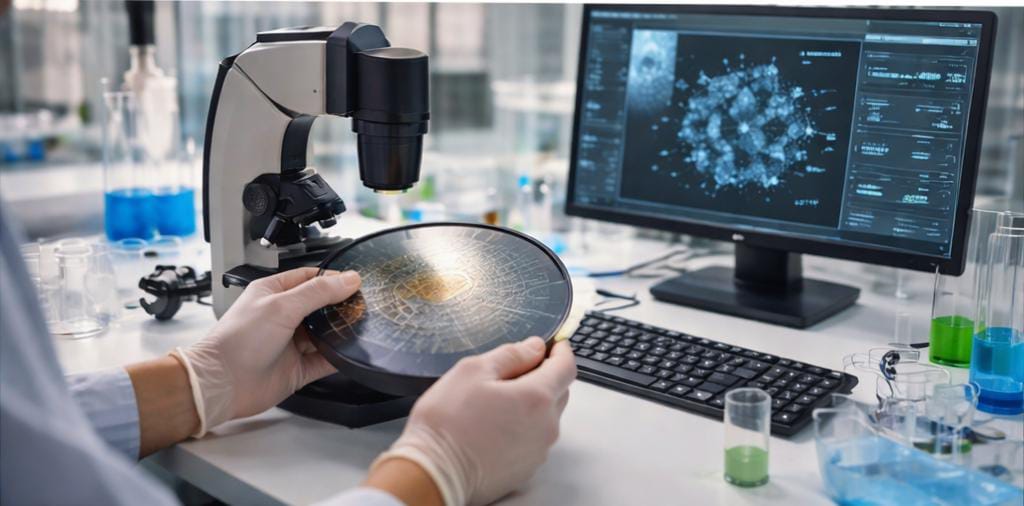
Nanotechnology shows students how science really works behind the scenes. Of just learning theory students start to explore how experiments are set up how data is gathered and how conclusions are made.
Because nanotechnology deals with small things it needs careful observation, accuracy and patience. These are the qualities that good researchers need in any science field.
Students learn that research is not about getting answers but about understanding things step by step.
Encourages Curiosity and Question-Based Learning
One of the research skills nanotechnology develops is curiosity.
Students often start by asking questions like:
Why do things behave differently when they are really small?
How can tiny particles make medicine or electronics better?
What happens when we change the building blocks of things?
This habit of questioning is the foundation of research. Nanotechnology encourages students to think explore “why” and “how,” and look beyond the surface.
Builds Strong Observation Skills
In research observation is key. Nanotechnology trains students to observe and pay attention to small details.
Students learn to:
Study how materials behave closely
Notice changes during experiments
Understand how small changes affect the results we get
Since nanoscience works at a small scale even small mistakes can change the outcome. This teaches students to be focused and attentive. All important traits for a good researcher.
Develops Experimental and Lab Skills
Nanotechnology introduces students to real lab work on.
Through experiments and simulations students gain experience with:
Lab tools and equipment
Planning and doing experiments
Recording what they see and the results they get
Understanding what goes wrong in experiments
These hands-on experiences help students feel more confident in research settings and prepare them for studies and lab work.
Improves Data Analysis and Critical Thinking
Research is not just about doing experiments. It is also about understanding the results.
Nanotechnology helps students develop thinking by teaching them how to:
Look at the data from experiments
Compare what they expected to happen with what actually happened
Spot patterns and inconsistencies
Make logical conclusions
Students learn that results are not always perfect and unexpected outcomes are just part of research. This builds resilience and problem-solving skills.
Encourages Interdisciplinary Research Skills
Nanotechnology connects science fields like physics, chemistry, biology and engineering. This exposure helps students see how different areas of science work together in research.
As a result students learn to:
Use knowledge from subjects
Look at problems from different angles
Work with students from other science fields
This way of working across different fields is really valuable in modern research and careers that drive innovation.
Teaches Scientific Documentation and Communication
A big part of research is sharing findings clearly. Nanotechnology helps students practice writing about science and documenting their work.
Students learn how to:
Keep good lab records
Write research reports

Present their findings in a logical way
These communication skills are essential for higher education publishing research giving talks at conferences and professional research roles.
Builds Confidence and a Research Mindset
Maybe the important benefit of nanotechnology is the confidence it gives students.
As students work on experiments and research projects they start to trust their abilities. They understand that research is a process of learning, not a test of getting everything
Nanotechnology helps students develop a mindset where:
Mistakesre okay because they are part of learning
Exploring and trying new things is encouraged
Coming up with new ideas is valued
This mindset stays with students throughout their studies and into their careers.
Why Nanotechnology Is Ideal for Aspiring Researchers
For students who want to be researchers nanotechnology is a place to start. It introduces real-world problems, modern tools and advanced scientific thinking in a way.
Students who study nanotechnology often find it easier to move into:
Higher education and research programs
Careers in labs
Roles that focus on innovation and technology
It prepares them not academically but also mentally for the challenges they will face in research.
About Nano Research Hub
Nano Research Hub is a platform designed for students to make learning nanotechnology and research easier.
Our goal is to:
Explain nano ideas in simple terms
Help students build a strong foundation in research
Guide learners toward future careers in science and technology
We believe research skills grow best when learning is practical, supportive and inspiring.
Nanotechnology is more than a science subject. It is a powerful tool for building research skills. It teaches students how to observe, question, experiment, analyze and communicate like researchers.
For students who want to go beyond the classroom and explore discovery nanotechnology provides a great foundation.
Follow Nano Research Hub to learn nanotechnology step by step. Grow your research skills, with confidence.